

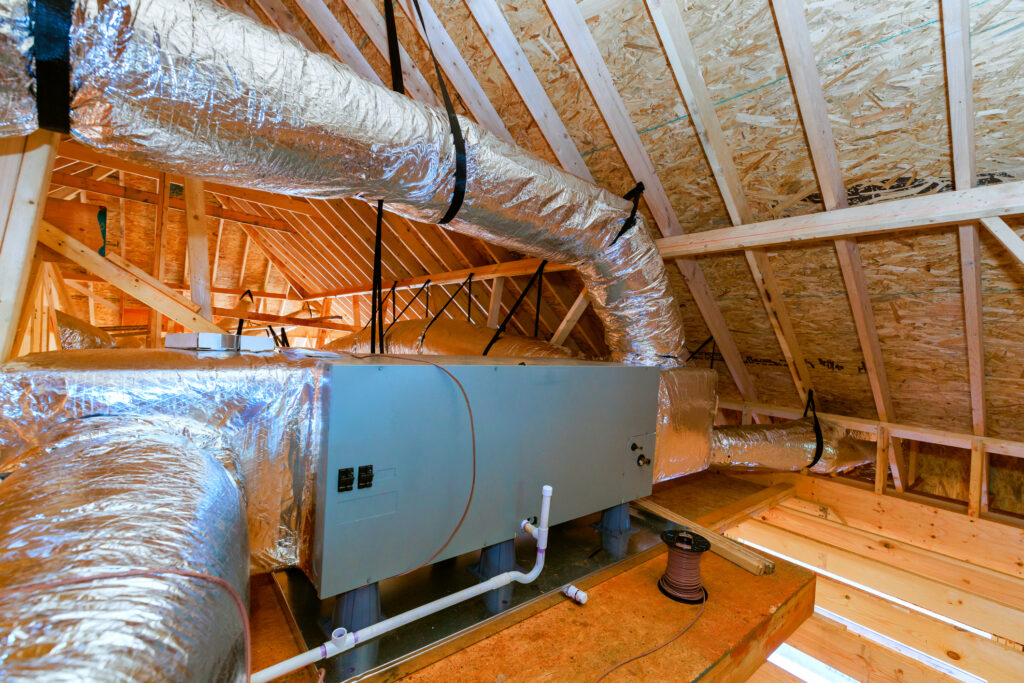
But what happens when your heater seems to be running constantly, yet your house never gets warm enough?
You might notice cool air coming from your vents, uneven temperatures between rooms, or a thermostat that never seems to reach the temperature you’ve selected.
Fortunately, a heater that runs without warming your home doesn’t necessarily need to be replaced. Several common issues can affect heating performance, and understanding the possible causes can help you determine when a simple adjustment or professional heating service is needed.
1. A Dirty Air Filter Is Restricting Airflow
One of the most common causes of poor heating performance is a dirty or clogged air filter.
Your heating system depends on consistent airflow to distribute warm air throughout your home. As air passes through the filter, dust, dirt, pet hair, and other airborne particles are captured before they can circulate through the equipment.
Over time, these particles accumulate and restrict airflow.
For a furnace, insufficient airflow can cause internal temperatures to rise too high, potentially triggering safety controls that interrupt heating. For a heat pump, restricted airflow can reduce performance and contribute to other operating problems.
What West Texas homeowners should know: Windblown dust and everyday household particles can make regular filter inspections especially important around Abilene.
Check your air filter monthly, particularly during periods of heavy heating use. Replace disposable filters or clean reusable filters as needed, following the manufacturer’s recommendations.
A clean filter is a simple maintenance step that can help your system operate more efficiently.
2. Your Thermostat Isn’t Set Correctly
Before assuming your heating equipment has a mechanical problem, take a moment to check your thermostat.
Incorrect settings, programming issues, or inaccurate temperature readings can prevent your system from heating as expected.
Start with these basic checks:
- Make sure the thermostat is set to Heat, rather than Cool or Off.
- Confirm the selected temperature is higher than the current indoor temperature.
- Check whether a programmed schedule is automatically lowering the temperature.
- Replace thermostat batteries if your model requires them and they’re running low.
- Make sure the fan is set to Auto rather than On if you want the blower to run only when the system calls for heating.
When the fan is set to On, it may continue circulating air even when the heating equipment isn’t actively producing heat. This can make the air coming from your vents feel cooler between heating cycles.
If the thermostat settings appear correct but your home still isn’t warming up, the problem may be elsewhere in the system.
3. Your Furnace May Have an Ignition or Heating Problem
If your home uses a gas furnace, several components must work together to produce heat safely.
Modern furnaces typically rely on electronic ignition systems, safety sensors, gas controls, and other components to initiate and maintain the heating process.
When one of these components malfunctions, your furnace may fail to produce heat or shut down before completing a normal heating cycle.
Potential warning signs include:
- The blower runs, but the air never becomes warm.
- The furnace repeatedly attempts to start.
- The system turns on and off more frequently than usual.
- The thermostat calls for heat, but the furnace doesn’t respond.
- The furnace displays a diagnostic error code.
Ignition, combustion, and gas-control problems require professional attention.
Never attempt to bypass furnace safety controls or perform repairs involving gas connections or combustion components.
If you smell natural gas, leave the building immediately and contact your gas utility or emergency services from a safe location. Do not operate electrical switches or attempt to restart the furnace.
4. Your Heat Pump May Be Struggling in Cold Weather
Not every home in Abilene uses a traditional furnace. Many residential heating and cooling systems rely on heat pumps, which provide both heating and air conditioning.
Unlike a furnace, a heat pump typically warms your home by transferring heat from the outdoor air into your living space.
Even when outdoor temperatures are cold, a properly functioning heat pump can extract heat from the surrounding air. However, heating capacity and efficiency vary depending on outdoor conditions and equipment design.
During colder weather, some systems may rely on supplemental electric heat or another backup heating source to maintain indoor comfort.
If your heat pump is running but your home isn’t getting warm, possible causes include restricted airflow, refrigerant problems, malfunctioning components, or an issue with the auxiliary heating system.
Is It Normal for a Heat Pump to Blow Cooler Air?
Heat pumps often deliver air at a lower temperature than gas furnaces. As a result, the air coming from your vents may feel less hot even when the system is heating correctly.
It’s also normal for many heat pumps to enter a temporary defrost cycle during cold, damp conditions.
However, if your home consistently loses heat or the system cannot maintain the thermostat setting, it may need professional evaluation.
5. Leaky Ductwork Is Allowing Heated Air to Escape
Even when your heating equipment is working properly, problems with your ductwork can prevent warm air from reaching the rooms where it’s needed.
Your home’s duct system distributes conditioned air throughout the house. When ducts develop leaks, loose connections, or damaged insulation, some heated air may escape into attics, crawlspaces, or other unconditioned spaces.
This can leave certain rooms feeling noticeably colder than others.
Common signs of ductwork problems include:
- Uneven temperatures throughout the home.
- Weak airflow from certain supply vents.
- Rooms that never seem to reach the desired temperature.
- Higher heating costs without an obvious explanation.
- Excessive dust around some vents.
In West Texas homes with ductwork running through unconditioned attic spaces, duct sealing and insulation can be particularly important for reducing unwanted heat loss.
A professional HVAC inspection can help determine whether duct leakage or airflow restrictions are contributing to poor heating performance.
6. Your Heating System May Be Short Cycling
Short cycling occurs when heating equipment repeatedly starts and stops without completing an appropriate heating cycle.
Although heating cycle lengths vary depending on the equipment, thermostat settings, and outdoor conditions, unusually frequent starts and stops can indicate a problem.
Possible causes include a dirty air filter, thermostat issues, overheating, or equipment that isn’t properly matched to the home’s heating needs.
Short cycling can reduce comfort, increase equipment wear, and interfere with efficient operation.
You might notice your furnace turning on for a short period, shutting off, and then restarting a few minutes later.
If this pattern continues after checking your thermostat and air filter, schedule a professional inspection.
A qualified technician can determine whether the issue involves airflow, safety controls, electrical components, or another underlying problem.
7. Your Home May Be Losing Heat Faster Than Your System Can Replace It
Sometimes the heating equipment isn’t the only reason a home feels cold.
Heat naturally moves from warmer areas to colder areas. During winter, that means your home continuously loses heat to the outdoors.
The colder and windier the weather becomes, the more noticeable those losses may be.
Several factors can contribute to excessive heat loss:
- Insufficient attic insulation.
- Air leaks around doors and windows.
- Poorly sealed ductwork.
- Gaps around plumbing and electrical penetrations.
- Inadequate insulation in certain walls or other building areas.
Strong winter winds can make air leakage particularly noticeable in West Texas.
If your heating system runs for extended periods but struggles to maintain a comfortable temperature, improving your home’s insulation and air sealing may help reduce the heating demand.
However, persistent heating problems should still be evaluated to rule out equipment issues.
What Should You Check Before Calling for Heating Repair?
If your heater is running but your home isn’t warming up, there are a few basic checks you can safely perform before scheduling service.
Start with these five steps:
- Check your thermostat. Confirm that it’s set to Heat and that the selected temperature is above the current room temperature.
- Inspect your air filter. Replace or clean a dirty filter according to the manufacturer’s instructions.
- Check your vents. Make sure supply and return vents aren’t blocked by furniture, rugs, or other objects.
- Review your thermostat schedule. Verify that automatic temperature changes aren’t interfering with your comfort.
- Pay attention to unusual symptoms. Repeated shutdowns, unfamiliar noises, error messages, or a complete loss of heat may indicate a problem requiring professional service.
If these checks don’t resolve the issue, avoid attempting electrical, gas, refrigerant, or internal mechanical repairs yourself.
If a carbon monoxide alarm sounds, follow the alarm manufacturer’s emergency instructions, leave the building, and contact emergency services from outside.
Why Heating Maintenance Matters Before Winter
Preventive heating maintenance is one of the most practical ways to prepare your home for colder weather.
Because heating systems may receive relatively little attention during the warmer months, problems can go unnoticed until the first significant cold front arrives.
A professional heating maintenance visit allows a technician to inspect equipment operation, identify developing problems, and evaluate components that homeowners typically cannot check safely.
Depending on the type of system, maintenance may include:
- Inspecting electrical connections and controls.
- Checking airflow and filter condition.
- Evaluating thermostat operation.
- Inspecting furnace burners and combustion-related components where applicable.
- Checking heat pump operation and defrost controls.
- Inspecting accessible equipment for signs of wear or damage.
For homeowners in Abilene, scheduling heating maintenance during the fall is a convenient way to prepare for winter before colder temperatures place additional demands on the system.
While maintenance cannot eliminate every possibility of a breakdown, it can help improve reliability, support efficient operation, and identify potential safety concerns.
Frequently Asked Questions About Home Heating Problems
Why is my heater blowing cold air instead of warm air?
Possible causes include incorrect thermostat settings, a dirty air filter, furnace ignition problems, or a malfunctioning heat pump. If the thermostat fan is set to On, the blower may also circulate unheated air between heating cycles. Persistent cold airflow should be professionally diagnosed.
Is it normal for my heater to run constantly during cold weather?
Heating systems may run for longer periods during unusually cold weather. Some heat pumps are designed to operate for extended cycles. However, if your home cannot maintain the selected temperature or your equipment operates abnormally, an inspection may be necessary.
How often should I change my furnace filter?
Inspect your filter monthly and replace or clean it according to the manufacturer’s instructions and its actual condition. Homes with pets, heavy system use, or higher dust levels may require more frequent changes.
Should I turn off my heater if it isn’t heating properly?
If you notice unusual noises, repeated shutdowns, overheating symptoms, or other signs of malfunction, stop operating the equipment and arrange professional service. If you suspect a gas leak or carbon monoxide exposure, leave the building immediately and seek emergency assistance.
When should I schedule heating maintenance in Abilene?
Fall is generally a good time to schedule heating maintenance before the coldest weather arrives. An annual professional heating inspection is a useful starting point, although equipment manufacturers may specify additional maintenance requirements.
Stay Comfortable This Winter With Mike Tschaar Heating & Cooling
When your heater runs but doesn’t warm your home properly, identifying the cause can help prevent additional discomfort and unnecessary strain on your equipment.
From dirty filters and thermostat issues to furnace malfunctions, heat pump problems, and leaky ductwork, several factors can affect your home’s heating performance.
Taking care of minor maintenance needs and addressing potential problems early can help you prepare for the colder months ahead.
If your heating system isn’t keeping your home comfortable, contact Mike Tschaar Heating & Cooling in Abilene, TX, to discuss your heating concerns and determine whether professional service is needed.
A properly maintained heating system can make a meaningful difference in keeping your home comfortable when West Texas temperatures begin to fall.

